5StarsStocks.com Review: What Is Verifiable, What Is Not, and How to Evaluate It
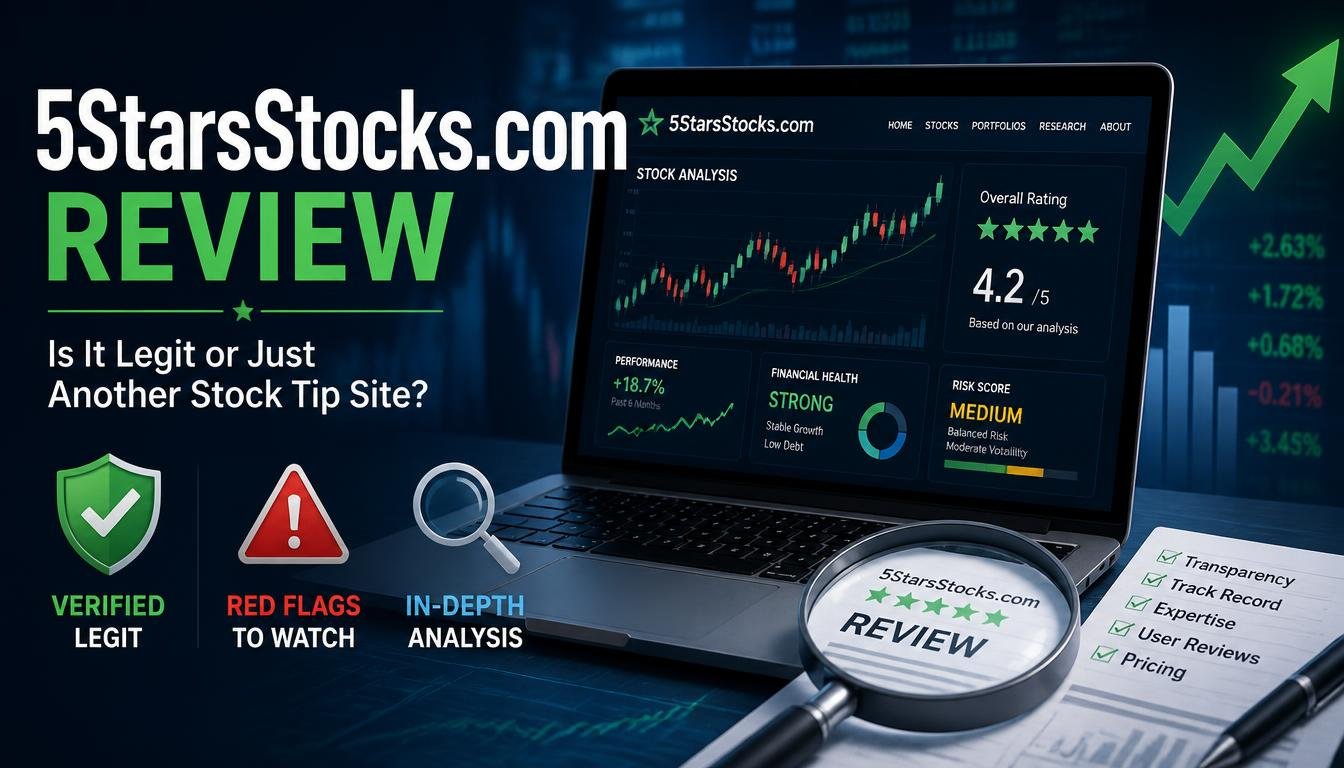
Evaluating a financial platform like 5StarsStocks .com requires a discerning eye, as navigating online investment advice often blurs the line between legitimate analysis and marketing fluff. When you approach a 5StarsStocks .com review: what is verifiable, what is not, and how to evaluate it remains the most critical framework for protecting your capital.
Investors frequently search for reliable signals in a crowded market, yet the sheer volume of data can be overwhelming for beginners. This article provides a grounded perspective on identifying substance versus noise, helping you decide if this specific website belongs in your financial toolkit or if you should look elsewhere for your market research.
The core question regarding this site is simple: does it provide actionable, audited data, or is it primarily a content aggregator? The verifiable aspects of the site typically include public stock ticker information, historical price charts, and basic company profiles that match data found on major exchanges.
However, the non-verifiable elements often reside in proprietary “star ratings” or “buy recommendations” that lack a published, peer-reviewed methodology. To evaluate it properly, you must cross-reference their claims against independent, institutional sources to ensure you aren’t basing your portfolio decisions on opaque algorithms.
Understanding the Digital Footprint of Investment Platforms
Investment platforms often gain traction through search engines, but popularity does not equate to accuracy. A website like 5StarsStocks .com functions by presenting market data in a way that feels curated, yet you must ask where that curation originates. Many sites pull their base numbers from official feeds provided by exchanges, which makes the basic price data verifiable.
If you see a stock price on their page, you can easily check it against a source like the U.S. Securities and Exchange Commission EDGAR database to confirm its accuracy.
The risk emerges when the platform adds a layer of proprietary interpretation on top of that raw data. This is where most investors get tripped up, as they confuse a “5-star” label with an objective guarantee of performance.
You should treat any rating system without a transparent, white-paper-style explanation of its calculation as subjective opinion rather than financial gospel. Evaluating these platforms requires you to look for the “how” behind the “what” in their reporting.
The Role of Verifiable Data in Stock Research
Verifiable data is the bedrock of any sound investment strategy. This includes fundamental metrics like the Price-to-Earnings (P/E) ratio, dividend yields, and market capitalization.
When you use a platform to screen for potential stocks, ensure the numbers align with the company’s most recent quarterly 10-Q filing. If a platform lists a P/E ratio that is drastically different from what the company reports, you have found a red flag that suggests the site’s data pipeline is either broken or poorly maintained.
Investors must also distinguish between real-time data and delayed data. Many free platforms provide market quotes that are delayed by 15 or 20 minutes, which can be detrimental to day traders but irrelevant for long-term investors.
Always check the footer or the fine print of the website to see if they disclose their data latency. Relying on stale information while assuming it is live is a common mistake that can lead to poor execution and unnecessary financial losses.
Identifying Non-Verifiable Claims and Marketing Language
Non-verifiable claims often sound like “guaranteed returns” or “exclusive secret picks.” If a platform promises that a stock is a “guaranteed winner” based on their internal algorithm, you are dealing with marketing rather than financial analysis.
Genuine market experts avoid making absolute promises because they understand that the stock market is inherently unpredictable. When you see language that appeals to fear or greed, it is a sign that the platform is prioritizing engagement over accuracy.
Another non-verifiable feature is the “predicted price target” often found on these sites. While analysts at major investment banks also issue price targets, they usually provide a detailed thesis explaining their valuation models.
If a platform simply lists a target price without showing the underlying math, you should disregard that number entirely. It is essentially a guess, and treating it as a research-backed projection is dangerous for your financial health.
Comparing Metrics Across Different Financial Sources
To determine the reliability of a platform, you should conduct a side-by-side comparison. Select three stocks you are familiar with and compare the data provided by the site in question against established financial institutions. The following table illustrates what you should look for when performing this audit:
| Metric | Verifiable Source | Platform Expectation |
|---|---|---|
| Stock Price | Major Exchange (NYSE/NASDAQ) | Must match within 1% or note delay |
| P/E Ratio | Company 10-K/10-Q filings | Consistent with public financials |
| Dividend Yield | Investor Relations page | Updated within 24 hours |
| Rating System | Peer-reviewed methodology | Should explain the logic behind it |
If you notice that the platform consistently fails to match these metrics, you should reduce your reliance on their analysis. A platform that cannot get the basic, verifiable facts right is unlikely to provide high-quality, non-verifiable insights. Your goal is to identify tools that act as a supplement to your own research, not as a replacement for it.
Common Red Flags in Investment Website Design
The visual design of a website often tells you as much as the content itself. Be wary of sites that use aggressive pop-ups, countdown timers for “buy signals,” or an excessive number of affiliate links.
These features are designed to create a sense of urgency, which is the enemy of rational decision-making. High-quality financial platforms typically have a clean, professional aesthetic that prioritizes readability over conversion tactics.
Another red flag is the lack of a clear “About” page or identifiable leadership team. If you cannot find the names of the analysts, editors, or the company behind the website, you are essentially trusting a faceless entity with your financial future.
Transparency is a prerequisite for trust in the financial industry. If they hide their identity, you should hide your wallet.
The Importance of Transparency in Algorithmic Ratings
Algorithmic ratings are a common feature on many investment websites, but they are only as good as their inputs. A truly transparent platform will disclose which factors weigh most heavily in their scoring system, such as debt-to-equity ratios or historical growth rates.
If the platform refuses to share its methodology, it is likely because the “algorithm” is simply a way to drive traffic to specific stocks. You should be skeptical of any system that ranks stocks without providing the underlying weighting logic.
When evaluating these ratings, consider the following checklist to determine if the site provides value:
How to Integrate External Research into Your Workflow
No single website should be the sole source of your investment research. The most successful investors use a diversified “information portfolio” to triangulate their decisions.
Use your chosen platform for quick screening and monitoring, but verify any potential move using broader financial news outlets or direct company filings. This multi-layered approach protects you from the biases inherent in any single platform’s analysis.
If a platform recommends a stock, spend at least 30 minutes reading the company’s most recent press releases. Look for news about management changes, upcoming product launches, or regulatory hurdles that the platform might have missed.
By doing your own “boots on the ground” research, you develop a deeper conviction in your investments. This makes it much easier to hold through market volatility when your thesis is based on facts rather than a star rating.
FAQs About Financial Platforms
How can I tell if an investment website is legitimate?
Legitimate financial platforms are transparent about their data sources, provide clear contact information, and avoid high-pressure sales tactics. They usually have a long-standing reputation and are cited by other reputable financial news organizations.
Why do some stocks have different ratings on different platforms?
Different platforms use different proprietary algorithms to score stocks. One site might prioritize dividend growth, while another focuses on momentum or technical analysis, leading to naturally conflicting ratings.
Should I trust a 5-star rating on a stock?
Never trust a rating in isolation. A 5-star rating should be treated as a starting point for your own research, not as a recommendation to buy. Always investigate the underlying fundamental data before committing capital.
What is the best way to verify a stock price?
The most reliable way to verify a stock price is to check the official ticker page on a major exchange website like the New York Stock Exchange or NASDAQ. You can also use major financial news portals that provide real-time data feeds.
Can I rely on automated stock alerts?
Automated alerts can be useful for keeping track of price movements, but they should not be your only source of information. Use them to stay informed, but verify the context of the price move before making any trading decisions.
Closing Thoughts on Evaluating Investment Tools
Performing a thorough 5StarsStocks .com review: what is verifiable, what is not, and how to evaluate it is a smart step toward becoming a more independent investor. By separating raw, verifiable data from subjective marketing claims, you build a stronger foundation for your financial decisions. Always remember that no platform can predict the future with 100% accuracy, and the responsibility for your portfolio ultimately rests with you.
Use these tools to simplify your workflow, but never let them replace your own critical thinking. As you continue to refine your research process, you will likely find that your confidence in your investment choices grows alongside your ability to spot quality information. Keep questioning, keep verifying, and stay focused on your long-term goals.