The Psychology of Digital Self-Expression: How Visual Identity and Avatars Shape Online Presence
When Carl Jung introduced the concept of the persona—the metaphorical mask individuals wear to adapt to the expectations and social norms of the outside world—he was describing a psychological construct constrained by physical reality. In the physical realm, our persona is bound by biology, vocal cadence, physical attire, and immediate environment.
Fast forward to the modern digital era, and the canvas of identity construction has undergone a radical transformation. Online, we do not merely present our biological selves to the world; we actively design, curate, and project visual manifestations of our inner psyche.
From customized profile graphics and bespoke digital avatars to the rapid-fire visual dialect of online memes, our digital presence is far more than an incidental byproduct of internet connectivity. It is a dynamic psychological extension of the self. As our professional, creative, and personal lives increasingly inhabit virtual environments, understanding how visual identity influences our self-perception, social dynamics, and creative autonomy becomes paramount.
1. The Proteus Effect: How Our Digital Avatars Transform Us
In 2007, researchers Nick Yee and Jeremy Bailenson at Stanford University identified a compelling psychological phenomenon known as The Proteus Effect. Their research demonstrated that an individual’s behavior, attitude, and self-confidence online dynamically adapt to match the visual characteristics of their digital representation or avatar.
When someone constructs an avatar that embodies traits such as heightened posture, vibrant aesthetics, or symbolic strength, they do not merely project those qualities outward—they internalize them. According to Edward Higgins’ Self-Discrepancy Theory, psychological friction arises from the gap between three dimensions of the self:
- The Actual Self: The attributes an individual believes they currently possess.
- The Ideal Self: The attributes an individual aspires to embody.
- The Ought Self: The attributes an individual feels obligated or pressured to display.
A digital avatar acts as an interactive bridge between the actual self and the ideal self. Unlike static photography, which anchors us to our physical reality, digital visual representation allows us to strip away physical constraints and visually externalize our underlying archetypes, personal symbolism, and subconscious aspirations.
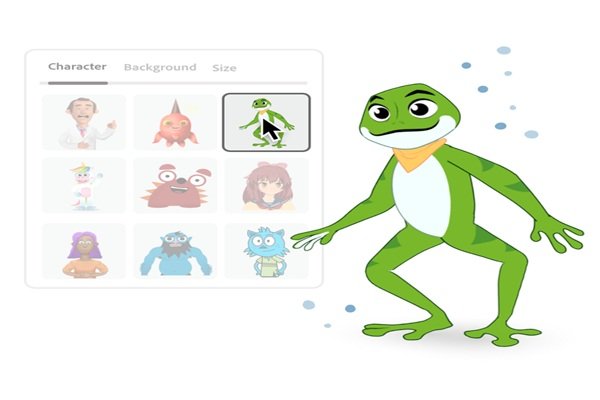
When actively exploring your psychological archetypes and visual presence, using an intuitive avatar creator offers an engaging opportunity for self-reflection. By experimenting with stylistic elements, color palettes, and symbolic motifs, individuals can externalize hidden dimensions of their personality, crafting a visual representation that resonates with their true internal narrative rather than external societal expectations.
[ Actual Self ] <—> [ Digital Visual Persona ] <—> [ Ideal Self ]
(Avatar / Motif)
Through this visual feedback loop, the avatar ceases to be a simple icon on a screen; it becomes an active agent in shaping how we think, communicate, and assert ourselves in digital spaces.
2. Visual Shorthand: Memes and the Archetypes of Modern Communication
While a personalized avatar serves as the visual ego of an individual’s online presence, the cultural symbols we share—specifically visual memes—represent our collective subconscious. In fast-paced digital environments, text alone often fails to convey the complex, nuanced emotional landscapes of contemporary human experience.
Visual humor and meme culture have evolved into a primary language for modern emotional expression. When a creator or community member uses a meme creator or visual editing tool to adapt a trending visual motif, they are participating in a contemporary form of symbolic interactionism. Memes function as psychological signaling mechanisms that communicate shared vulnerability, existential humor, or unspoken cultural alignment faster and more deeply than written prose ever could.
+———————————————————————–+
| THE DYNAMICS OF VISUAL EXPRESSION |
+———————————————————————–+
| AVATARS & PROFILES | SHARED VISUAL MEMES |
| * Expression of the Ego | * Expression of the Collective Unconscious|
| * Focus on Personal Identity | * Focus on Community & Shared Emotion|
| * Establishes Individual Identity| * Builds Social Cohesion & Shared Dialects|
+———————————————————————–+
Visual shorthand allows individuals to communicate subtle emotional states—saying, “This is how I process this experience, and I know you understand it too”—without requiring lengthy explanations. Over time, these shared visual vocabularies form the bedrock of digital micro-cultures. The visual symbols we adopt and transmit foster a genuine sense of psychological safety and shared identity, transforming abstract digital platforms into meaningful communities.
3. The Algorithmic Enclosure: Commodification of the Digital Self
Despite the creative potential of digital self-expression, the modern internet landscape presents a major psychological dilemma. For the past decade, public social media platforms have funneled human identity through hyper-optimized recommendation algorithms designed primarily to capture attention and drive advertising revenue.
On open feed platforms (such as Instagram, TikTok, and X), visual self-expression is constantly filtered through algorithmic incentives. Users are subtly encouraged to tailor their visual aesthetic, tone, and identity to maximize metrics—likes, retweets, view duration, and virality.
Psychologically, this dynamic creates severe identity fatigue:
- Context Collapse: When a single visual persona is broadcast to family, employers, strangers, and critics simultaneously, authentic self-expression deteriorates into cautious performativity.
- Algorithmic Homogenization: To maintain visibility, creators and users often conform to algorithmically favored visual trends, sacrificing personal originality for platform reach.
- Identity Commodification: When personal expression is directly tied to engagement metrics, an individual’s sense of self-worth becomes intertwined with unpredictable algorithmic cycles.
From a practical perspective, this arrangement places digital creators in a precarious position. When identity and audience connection are mediated entirely by third-party algorithms, creators are essentially building their digital presence on rented land. A single algorithmic adjustment can obliterate a creator’s visibility overnight, disrupting their connection with their community and imperiling their business revenue.
4. The Great Migration: Reclaiming Autonomy in Private Spaces
In response to algorithmic fatigue and the commercialization of visual identity, a notable shift is taking place across the creator economy. Writers, artists, thinkers, and digital communities are increasingly migrating away from broad, public feed platforms toward private, token-gated, or subscription-based environments—such as Substack, Discord servers, private forums, and membership communities.
This transition reflects a fundamental movement toward reclaiming both psychological authenticity and economic sovereignty.
Rebuilding Digital Sanctuaries
- Prioritizing Depth Over Broad Reach: In private or subscription-based spaces, success is no longer defined by virality or pleasing an algorithm. The focus shifts to cultivating meaningful relationships with a dedicated inner circle of supporters.
- Securing Sustainable Creative Revenue: Token-gated access and direct subscription models allow creators to build sustainable financial foundations independent of ad-driven platforms. By decoupling revenue from volatile recommendation algorithms, creators gain the psychological freedom to produce deeper, more nuanced work without fear of sudden demonetization or reach suppression.
- Restoring Sovereign Self-Expression: In closed or semi-private digital spaces, visual identity returns to serving genuine human connection. Participants can use custom avatars, specialized visual badges, and niche symbolic formats without the constant pressure of broad public scrutiny or algorithmic optimization.
PUBLIC ALGORITHMIC PLATFORMS PRIVATE / SUBSCRIPTION SPACES
+—————————+ +—————————+
| * Driven by Virality | | * Driven by Deep Intimacy |
| * Unpredictable Revenue | =========> | * Predictable Income |
| * Performative Identity | | * Authentic Expression |
| * Renting Audience Access | | * Sovereign Ownership |
+—————————+ +—————————+
Conclusion: Cultivating an Authentic Digital Psyche
The trajectory of our digital presence—from simple text handles to rich avatars, visual memes, and sovereign digital communities—mirrors humanity’s continuous quest for self-understanding and meaningful connection.
Our visual identity online is never purely cosmetic. It serves as a psychological mirror, a mechanism for self-actualization, and a lighthouse that draws like-minded individuals together. As we navigate an online landscape increasingly saturated with automated content and algorithmic noise, intentional self-expression becomes essential.
Whether by sculpting a personalized avatar that reflects your inner values, utilizing visual imagery to express complex emotions, or establishing an intimate digital sanctuary away from public algorithms, taking control of your visual presence is ultimately an act of reclaiming your digital and psychological autonomy.