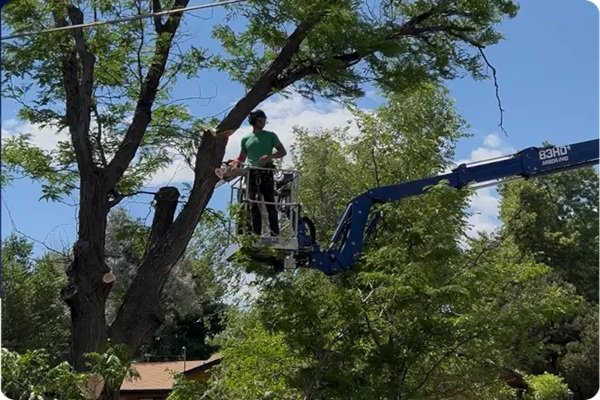
Boulder CO Tree Care: Protecting Yard Trees Through Every Season
Key Takeaways
- Dry soil, heat, wind, and sudden snow loads can weaken trees in Boulder landscapes.
- Early warning signs include thinning canopies, dead twigs, bark damage, leaning, and cracked limbs.
- Deep, slow watering around the root zone is generally more useful than frequent shallow watering.
- Targeted pruning can reduce hazards, but topping healthy trees often creates long-term structural problems.
- Trees near buildings, walkways, power lines, and play areas deserve regular inspection.
- Storm-damaged trees can be dangerous, especially when limbs are hanging or roots have lifted.
Boulder, CO, homeowners know that keeping trees healthy can be challenging when dry spells, strong winds, intense sunshine, and sudden snowstorms put added stress on the landscape. From thinning canopies to cracked limbs, small warning signs can develop into bigger concerns if left unaddressed. Understanding when routine maintenance is enough and when a tree needs closer attention can help protect both property and the surrounding environment. Resources such as Roots Up Tree Company in Boulder CO may be useful when researching local tree-care options, while fire mitigation tree removal in Boulder County is a relevant consideration for property owners managing hazardous vegetation near homes or wildfire-prone areas.
Effective tree care starts with understanding what each tree needs throughout the year. Boulder’s dry conditions can affect root health and increase stress, while heavy snow and strong winds can expose weaknesses in branches and trunks. Regular inspections, appropriate watering, and targeted pruning can help preserve healthy trees and identify hazards before they become emergencies. For properties near open space, thoughtful vegetation management can also contribute to a broader wildfire-preparedness plan without requiring the removal of every tree on the property.
Table of Contents
- Why Boulder Weather Is Hard on Yard Trees
- Warning Signs of Tree Stress
- How to Water Trees During Dry Conditions
- When Pruning Can Reduce Risk
- Preparing Trees Before a Storm
- What to Do After Tree Damage
- Pests and Disease to Watch For
- When to Seek Professional Help
- A Seasonal Boulder Tree Checklist
Why Boulder Weather Is Hard on Yard Trees
Boulder sits where Front Range foothills, open plains, developed neighborhoods, and wildfire-conscious landscapes meet. That setting can expose trees to drying winds, compacted urban soils, reflected heat from pavement, and sudden changes in moisture. A single soaking rain can refresh the surface, but it may not fully alleviate stress caused by prolonged dry soil or damaged roots.
Warm, dry conditions can also make trees more vulnerable to insects. Colorado State University reported that mountain pine beetle impacts across a nine-county Front Range area rose from 2,236 acres in 2024 to 5,544 acres in 2025, a 148 percent increase. Homeowners can use the university’s discussion of bark beetle outbreaks during warm, dry years to better understand why tree vigor matters across Colorado.
Some trees have branch unions, broad limbs, or heavy canopies that need more than routine trimming. Where a valuable tree has a weak split, included bark, or a limb that could fail toward a home or gathering area, carefully planned tree cabling in Boulder County may be one option for adding structural support without automatically removing the tree.
Warning Signs of Tree Stress
Many tree problems develop gradually. A homeowner who looks over trees once each season is more likely to notice change than someone who only checks after a limb falls. Inspect from the ground and avoid climbing, probing cavities, or pulling on questionable branches.
Photorealistic macro close-up of rough, weather-stressed tree bark with a small fresh crack and fine wood dust near the surface, shallow depth of field, soft natural outdoor light, blurred green canopy in the background.
Changes Worth Watching
- Leaves that turn brown, yellow, dull, or sparse earlier than expected.
- Uneven canopy growth, bare areas, or a noticeable loss of small twigs.
- Dead limbs in the crown or branches that have lost bark.
- Fresh cracks, split branch unions, oozing sap, or sawdust-like boring dust.
- Fungal growth near the trunk base or large cavities in major limbs.
- Soil pulling away from the root zone after dry conditions.
- New leaning, lifted soil, or exposed roots after wind or saturated ground.
Not every symptom means a tree must be removed. Some species naturally shed bark, develop irregular crowns, or lose interior needles. What matters most is whether the change is new, spreading, or paired with a target such as a roof, sidewalk, parked vehicle, or neighboring property.
How to Water Trees During Dry Conditions
Deep, slow watering encourages moisture to move into the soil where absorbing roots are active. In Boulder yards, shallow daily sprinkling may wet turf while leaving much of a tree’s broader root system dry. Place water across the area beneath and beyond the canopy rather than concentrating it directly against the trunk.
Suggested Watering Steps
- Check current local watering restrictions before watering.
- Water during cooler morning or evening hours when possible.
- Apply water slowly enough that it soaks in rather than runs down a slope or driveway.
- Cover the root zone broadly, especially beneath the outer canopy area.
- Use a layer of organic mulch to help moderate soil moisture and temperature.
- Keep mulch several inches away from the trunk to avoid trapping excess moisture against bark.
- Check soil moisture before watering again, particularly in compacted or poorly drained locations.
Newly planted trees generally need closer observation because their roots have not yet expanded into surrounding soil. Mature trees can also need supplemental water during extended dryness, especially if they grow near pavement, retaining walls, or areas where lawn irrigation does not reach. Overwatering is not a cure for drought stress, because roots also need oxygen in the soil.
When Pruning Can Reduce Risk
Pruning is most useful when it has a clear purpose. Removing dead, broken, rubbing, or poorly attached branches can improve safety and reduce the chance that decay spreads through damaged wood. Young trees often benefit from careful structural pruning that encourages a strong central form and well-spaced limbs.
Good Reasons to Prune
- Remove dead or broken branches.
- Improve clearance above driveways, sidewalks, roofs, and entrances.
- Reduce rubbing between crossing branches.
- Address weak structure in a young tree before it becomes a larger defect.
- Improve visibility near streets, intersections, and access points.
Avoid topping, which means cutting large portions of a tree’s upper crown back abruptly. Topping can leave large wounds and encourage weakly attached regrowth. It also removes foliage that the tree needs to produce energy. If branches are close to electrical equipment or utility lines, do not attempt the work yourself. The City of Boulder notes that vegetation management near power infrastructure is part of broader wildfire resilience and electric-infrastructure safety efforts.
Preparing Trees Before a Storm
Storm preparation is most effective on a calm day, before wind, snow, or ice adds force and weight to weak branches. Walk the property from a safe distance and identify trees that overhang roofs, patios, fences, driveways, play equipment, or commonly used paths.
- Look for loose limbs, visible cracks, cavities, and major deadwood.
- Remove loose yard items that could strike trunks or low branches in strong wind.
- Keep access paths open for residents and emergency responders.
- Move vehicles away from visibly compromised limbs when practical.
- Note trees with multiple trunks that have a narrow or split connection.
- Schedule evaluation of high-risk trees before the next severe-weather period.
A small split that seems stable in dry, calm weather can worsen when wet snow or ice accumulates on a limb. Likewise, a tree with shallow or damaged roots may become less stable when wind and saturated soil occur together.
What to Do After Tree Damage
After a storm, treat damaged trees as potential hazards. Hanging branches can fall without warning, split trunks can separate further, and a tree with lifted roots may not remain standing. Keep children, pets, and visitors away from the area until the situation can be assessed.
Post-Storm Safety Steps
- Stay clear of hanging limbs, cracked trunks, and leaning trees.
- Look for downed or damaged power lines without approaching them.
- Contact the appropriate utility provider when electrical lines or equipment may be involved.
- Photograph visible damage from a safe location for documentation.
- Check roofs, fences, vehicles, and walkways for secondary damage.
- Do not use ladders or chainsaws on large, elevated, or unstable limbs.
- Arrange an assessment before cutting major branches or removing a leaning tree.
Pests and Disease to Watch For
Drought-stressed trees can have fewer resources available for normal growth and defense. Watch for small holes in bark, boring dust, unusual woodpecker activity, thinning foliage, branches dying from the tips inward, loose bark, or discolored needles. These signs do not identify a specific pest on their own, but they warrant closer attention.
Take photos from the same locations over several weeks or months. A visual record can show whether a canopy is stabilizing, declining, or developing new symptoms. Early diagnosis may provide more management options, while removal should be reserved for trees that are dead, hazardous, or unlikely to remain stable.
When to Seek Professional Help
Professional evaluation is especially important when a tree is large, damaged, leaning, growing close to a structure, or located near utility lines. It is also sensible when defects are high in the canopy and cannot be evaluated safely from the ground.
Questions to Ask Before Scheduling Tree Work
- Is the contractor insured for the proposed work?
- Will the scope of work be provided in writing?
- Who will inspect the tree and explain the recommended approach?
- How will nearby roofs, gardens, fences, and hardscape be protected?
- Will debris be removed or left on site?
- Are permits, utility requirements, or local rules relevant to the project?
Location: Roots Up Tree Company | 343 Indian Peaks Trail W, Lafayette, CO 80026 | (720) 783-7434
A Seasonal Boulder Tree Checklist
Spring
- Check for winter breakage, loose limbs, and trunk damage.
- Inspect roots and low branches after snowmelt.
- Begin monitoring soil moisture as temperatures rise.
Summer
- Watch for drought stress, early leaf drop, and insect activity.
- Water deeply when soil conditions and local guidance indicate a need.
- Refresh mulch without piling it against trunks.
Fall
- Inspect deadwood before winter wind and snow arrive.
- Review branches above roofs, walkways, and parking spaces.
- Plan needed pruning before weather makes access more difficult.
Winter
- Monitor snow and ice loads from a safe distance.
- Avoid striking, shaking, or climbing damaged branches.
- Recheck trees after strong wind or rapid temperature swings.
Steady Care Supports Safer Boulder Landscapes
Keeping Boulder’s trees healthy and safe requires consistent attention rather than occasional action after damage occurs. Seasonal inspections, deep and appropriate watering, careful pruning, and early recognition of pests or structural weaknesses can help trees withstand changing weather conditions. For properties in wildfire-prone areas, managing hazardous vegetation can provide another important layer of protection while preserving healthy trees wherever practical. When a tree shows serious instability or requires work beyond safe ground-level maintenance, a qualified professional can help determine the most appropriate next step. A healthier landscape begins with small, informed decisions made early before a stressed tree becomes a preventable hazard.