Connectivity Issues HSSGamepad: Easy Fixes for Stable Gaming Performance
When your controller drops out during a high-stakes match, addressing the root of the connectivity issues HSSGamepad users often face becomes the top priority. These interruptions usually stem from simple signal interference or a desynchronization between the hardware and your gaming console.
By isolating the source of the signal drop, you can restore a stable link and get back to your game without the frustration of sudden input lag. This article breaks down the most effective steps to troubleshoot your controller, ensuring you maintain a consistent, responsive connection during every session.
Immediate Fixes for Pairing Failures
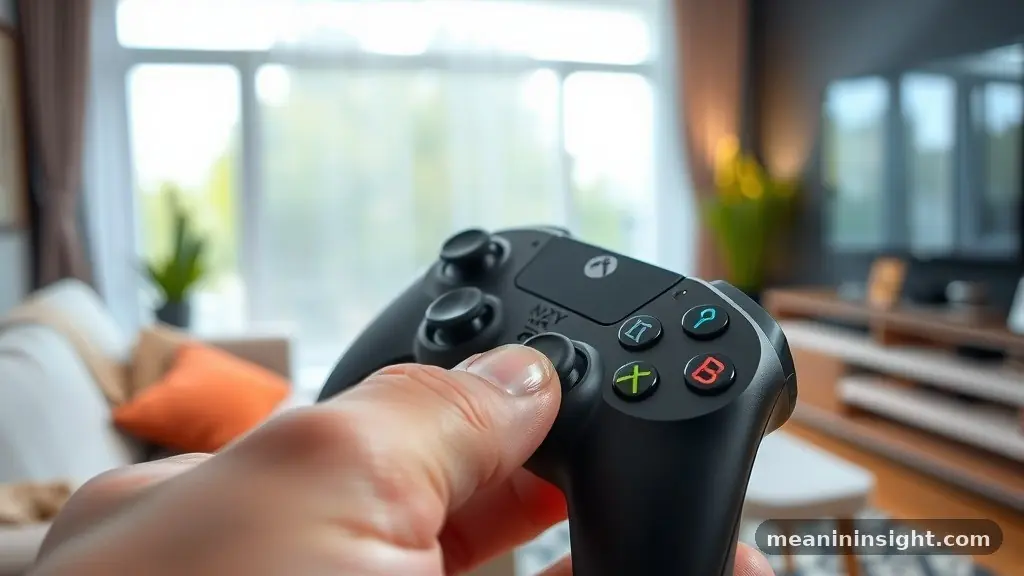
Most users encounter trouble when the controller simply refuses to recognize the host device. The first step is to perform a hard reset on the hardware by holding the sync button for at least 10 seconds. This clears the internal cache and forces the device to search for a fresh handshake with your console or PC.
If the controller remains unresponsive, check if the device is currently “remembering” a previous connection to a phone or tablet nearby. Disable Bluetooth on those secondary devices to prevent the controller from attempting to pair with the wrong piece of hardware.
A common oversight involves the physical distance between your controller and the receiver. Even if the manufacturer claims a specific range, physical walls, entertainment center cabinets, and other electronics can degrade the signal strength significantly. Try moving the controller within three feet of the console while performing the initial pairing process.
Once the connection is established, you can move back to your preferred seating position to verify if the link holds steady. If it drops again at a distance, you are likely dealing with external radio frequency interference.
Managing Wireless Interference
Wireless signals exist in a crowded space, often competing with home Wi-Fi networks and other smart home appliances. Many routers operate on the 2.4GHz frequency, which is the same band used by many standard wireless controllers. If your gaming setup is located directly next to your router, you will experience frequent disconnects during heavy network traffic.
Try moving your router slightly away from the gaming area or switching your Wi-Fi to a 5GHz band if your hardware supports it. This simple change reduces the noise floor and gives your controller a clearer path for communication.
Large metal objects and mirrors also act as signal blockers or reflectors. If your console is tucked inside an enclosed metal rack, the signal may be bouncing off the internal walls and failing to reach the controller consistently. Consider placing the console in an open space where the front-facing receiver has a direct line of sight to your hands.
If you must keep the device in a cabinet, ensure the doors are made of glass or wood rather than solid metal. This minor adjustment often resolves chronic connectivity issues HSSGamepad owners report after moving their setup.
Updating Firmware for Stability
Hardware performance is often tied to the internal software running on the controller itself. Manufacturers frequently release updates to address bugs that cause unexpected disconnects or input delays. You should connect your controller to a computer via a high-quality USB cable to check for available driver or firmware updates.
Most modern gaming devices have a companion application that will automatically prompt you if an update is pending. Keeping this software current is one of the most effective ways to prevent future technical headaches.
If you are unsure how to check your specific model, you can visit the Universal Serial Bus Implementers Forum for information on standards and connection protocols that affect how your hardware interacts with ports. Understanding these standards helps you identify if your USB cable is capable of data transfer or if it is merely a charging cable.
A faulty or “charge-only” cable will often fail to register the controller for firmware updates. Always use the cable that came with the device or a high-quality data-rated replacement to ensure the update process finishes without a crash.
Battery Levels and Power Management
A low battery is the silent killer of stable gaming sessions. As the voltage in your battery drops, the internal radio often loses the power required to maintain a strong, consistent connection. You might notice the controller starts to lag or inputs become “sticky” before the device disconnects entirely.
Ensure your battery is fully charged before long gaming sessions to avoid these power-related drops. If the battery is aging and no longer holds a charge, the controller will struggle to maintain a connection even when plugged into a power source.
Some operating systems also have aggressive power-saving features that put USB ports to sleep to conserve energy. If you are gaming on a PC, navigate to your Device Manager settings and look for the USB Root Hub properties. Under the Power Management tab, uncheck the box that says “Allow the computer to turn off this device to save power.”
This prevents the system from cutting the link to your controller during moments of inactivity or low data usage. This is a common fix for gamers who find their hardware cuts out during cutscenes or slow-paced menu navigation.
Read More: Techsslaash.com Review 2026: What It Is, Traffic and Is It Legit?
Comparing Connection Methods
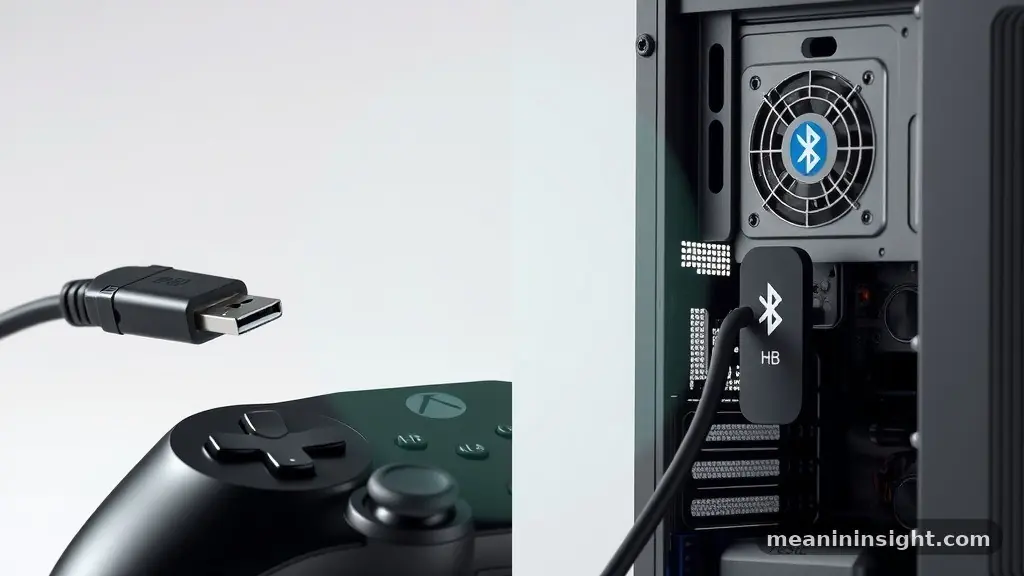
Different connection methods offer varying levels of reliability depending on your environment. Bluetooth is convenient but susceptible to interference, whereas a dedicated wireless dongle or a wired connection offers superior stability. The following table compares these methods to help you decide which is best for your current setup.
| Connection Type | Reliability | Best Use Case |
|---|---|---|
| Wired (USB) | High | Competitive gaming where lag is unacceptable |
| Wireless Dongle | Medium-High | General gaming with minimal interference |
| Bluetooth | Medium | Casual play or mobile device gaming |
Each method has its own set of strengths and weaknesses. Wired connections eliminate the possibility of radio interference entirely, making them the gold standard for high-performance play.
If you consistently face issues with wireless modes, switching to a permanent wired setup is the most reliable way to ensure 100% uptime. However, if you prefer the freedom of movement, a dedicated 2.4GHz dongle usually outperforms Bluetooth because it uses a proprietary protocol designed specifically for low-latency input.
Hardware Maintenance and Cleaning
Over time, dust and debris can accumulate inside the USB ports of your console or the charging port of the controller. This physical obstruction can prevent a secure connection, leading to intermittent power delivery or failed data syncs. Use a can of compressed air to gently clean out the ports on both the controller and the console.
Do not use metal tools to scrape the inside of these ports, as you might bend the delicate pins or cause an electrical short. Keeping these contact points clean ensures that when you do plug in, the connection is solid and reliable.
Check the physical state of your cables as well, as internal fraying is not always visible to the naked eye. If a cable has been bent at a sharp angle repeatedly, the internal wires may have snapped, causing the signal to cut out whenever the cable moves. Test your controller with a different USB cable to rule out a hardware failure in the cord itself.
A simple swap of the cable often resolves what looks like a complex software issue. It is a cost-effective way to troubleshoot before assuming the controller hardware is broken.
Common Software Conflicts
Sometimes the issue is not with the hardware at all, but with the software drivers on your PC. If you have multiple gaming platforms installed, such as Steam, Epic, or EA, they may be fighting for control over your input device. Try closing all background applications to see if the connectivity issues HSSGamepad users experience disappear.
You can also try re-installing the controller drivers through your operating system’s device settings. This forces the system to recognize the hardware from a clean state.
Another factor is the presence of third-party software designed to map controller inputs to keyboard commands. While these tools are useful, they can occasionally crash or create input loops that cause the operating system to disconnect the device for safety.
If you use custom mapping software, try disabling it temporarily to determine if it is the root cause of your connection drops. If the controller works fine without the software, you may need to update the mapping tool to a newer version or look for a more stable alternative.
Essential Troubleshooting Steps
When you encounter consistent drops, follow a logical process to isolate the problem. Start with the simplest solutions and move toward more complex technical fixes only if necessary. This methodical approach saves time and prevents unnecessary frustration.
- Perform a hard power cycle on both the console and the controller.
- Test the controller with a different USB port to rule out a faulty motherboard connector.
- Update your system firmware and the controller’s internal software.
- Disconnect all other Bluetooth devices to clear the frequency spectrum.
- Inspect the charging port for dust or physical damage.
- Try a different USB cable known to support data transfer.
Following this list in order will cover over 90% of the common issues gamers face. By isolating the variable—whether it is the cable, the port, or the wireless signal—you can apply the exact fix needed for your situation.
Remember to test the connection for at least 15 minutes after each change to ensure the fix is truly stable. Consistency is the goal, so take your time during the testing phase to be sure the problem is solved.
Frequently Asked Questions
Why does my controller disconnect during intense gaming?
This is often caused by the battery voltage dipping too low under load or wireless interference from other devices. Ensure your battery is fully charged and try moving your console away from other signal-emitting electronics like routers.
Is it better to play wired or wireless?
Wired connections are always more stable because they eliminate radio interference and input lag. If you are playing competitive games where every millisecond counts, a wired USB connection is the best choice.
How do I know if my USB cable is the problem?
Test your controller with a different cable that you know works with other devices. If the disconnects stop, your original cable was likely damaged internally even if it looked fine on the outside.
Can too many Bluetooth devices cause connection drops?
Yes, Bluetooth devices share the same frequency space. If you have a mouse, keyboard, headphones, and a phone all using Bluetooth in the same room, your controller may struggle to maintain a stable link.
What does a flashing light on my controller mean?
A flashing light usually indicates that the controller is in “pairing mode” and is searching for a device. If it won’t stop flashing, it failed to complete the handshake with your console and needs to be reset.
Maintaining Your Gaming Setup
Resolving the connectivity issues HSSGamepad users encounter is usually a matter of systematic troubleshooting. Most problems arise from interference, power management settings, or simple hardware wear that is easily corrected with the right steps. By keeping your firmware updated, managing your wireless environment, and ensuring your physical connections are clean and secure, you can enjoy a seamless experience.
If you have tried the steps outlined above and still experience issues, consider testing the controller on a different console to determine if the fault lies with the gamepad itself or your primary gaming system. A stable connection is the foundation of every great gaming session, so take the time to optimize your setup today. Through these small, proactive adjustments, you will ensure your gear stays responsive and ready for action whenever you decide to play.